Urban Edge: Mastering the Desire Graphic Design Aesthetic
The world of streetwear fashion is built on a foundation of authenticity and bold visual statements. For designers and entrepreneurs looking to tap into this dynamic market, finding design assets that capture the right energy is crucial. This is where the unique and aesthetic urban streetwear design collection comes in, offering a powerful toolkit for anyone serious about custom apparel and merchandise. The Desire Graphic Design collection isn't just a set of graphics; it's a visual language that speaks directly to contemporary culture, making it a perfect starting point for your next creative project.
Understanding the Visual Language of Urban Streetwear
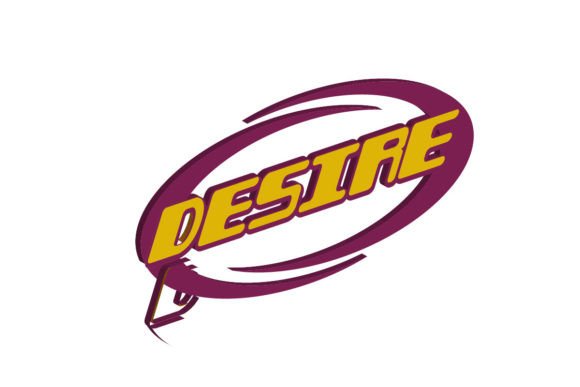
What makes a streetwear graphic truly effective? It's a blend of attitude, style, and technical quality. The designs in this collection embody a specific personality: they are often bold, with a slightly gritty or textured feel that avoids looking overly polished or corporate. The aesthetic leans into urban art, mixing elements of graffiti, abstract shapes, and strong typography. This creates an immediate sense of relevance and connection with an audience that values individuality and self-expression. The appeal lies in its versatility; a single design can feel rebellious, artistic, or minimalist depending on the context and colorway you choose. This is modern typography applied to graphic design, where the message is as much about the visual style as the words themselves.
These designs are built as vector files, primarily in EPS format, which is the industry standard for a reason. As a vector graphic, each design is mathematically defined, meaning you can scale it from a small chest print to a massive back print without a single pixel of quality loss. This is non-negotiable for professional merchandise production, especially for methods like t-shirt sublimation where clarity at any size is paramount. The included high-resolution JPGs are perfect for quick mockups or digital presentations, but the true power lies in the editable vector source files.
From Screen to Street: Practical Applications for Your Brand
The real value of a strong design asset like this is how it translates across different mediums. For a startup streetwear brand, this collection provides an immediate foundation. You can launch a cohesive capsule collection using various designs from the set, ensuring a consistent brand identity from the first drop. The ability to easily edit these vectors in software like Adobe Illustrator or Affinity Designer means you are not just buying a static image. You can transform, scale, add or remove elements, and completely recolor the artwork to match your brand's specific palette. This level of customization transforms a generic asset into a unique piece of your brand's story.
Beyond t-shirts, think about the broader merchandise ecosystem. These graphics are perfect for:
- Hoodies and Sweatshirts: Large back prints or embroidered chest logos derived from the vector elements.
- Hats and Beanies: Simplified or isolated elements of a larger design can make for striking headwear.
- Tote Bags and Accessories: Extending your brand's visual language to everyday carry items.
- Digital Assets: Use the designs for social media graphics, website banners, or digital lookbooks to maintain a consistent aesthetic across all customer touchpoints.
For content creators and marketers, these designs offer a shortcut to producing professional-looking promotional materials. A blogger or YouTuber in the fashion niche can use them to create custom merchandise for their audience without needing to be a master illustrator. The key is to treat these assets as a starting point. Your job is to apply your unique perspective, ensuring the final product feels authentic to your project.
Making the Design Your Own: A Practical Guide
When integrating a new design asset into your workflow, a strategic approach yields the best results. Start by evaluating the project fit. Does the bold, urban aesthetic of the Desire Graphic Design collection align with your target audience's tastes? For a youthful, fashion-forward demographic, it's a natural fit. For a more corporate or traditional audience, you might use it more sparingly as an accent.
Next, consider font pairing and hierarchy. If the design includes typography, how will it interact with other text in your layout? A strong display font from the design might pair well with a clean, simple sans-serif font for body text or product descriptions. The goal is to create a clear visual hierarchy that guides the viewer's eye without causing confusion. Test different combinations and sizes to see what feels balanced.
Always review the included files. The ZIP format contains everything you need, but take the time to unpack and organize it. Open the EPS files to examine the vector paths and layers. Understanding how the design is constructed will give you more control during the editing process. For commercial use, ensure the licensing allows for the number of end products you plan to create. Most premium font and design collections are licensed for commercial use, but it's always best practice to confirm. By thoughtfully applying, customizing, and testing these assets, you leverage their full potential, turning a great collection into a cornerstone of your creative work.