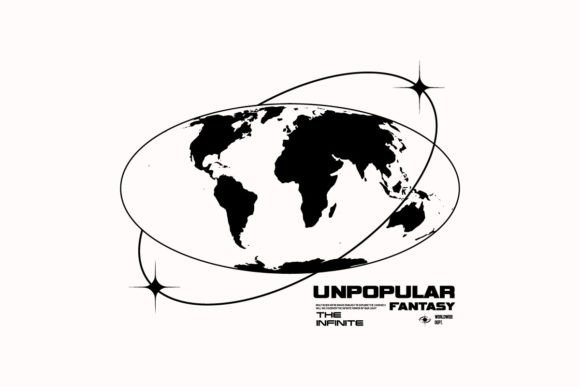
Urban Edge: Mastering Graphic Tee Design Streetwear Style
There is a specific visual language spoken on the sidewalks of major cities, from Tokyo to New York to London. It is a dialect of rebellion, art, and self-expression, and it lives on the cotton canvas of the t-shirt. For designers, entrepreneurs, and creators looking to tap into this powerful aesthetic, the challenge has always been bridging the gap between raw artistic vision and production-ready assets. This is where the Graphic Tee Design Streetwear Style collection enters the conversation, offering a curated set of design assets that speak this language fluently.
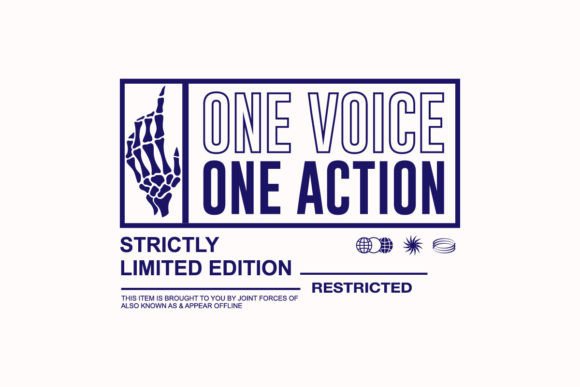
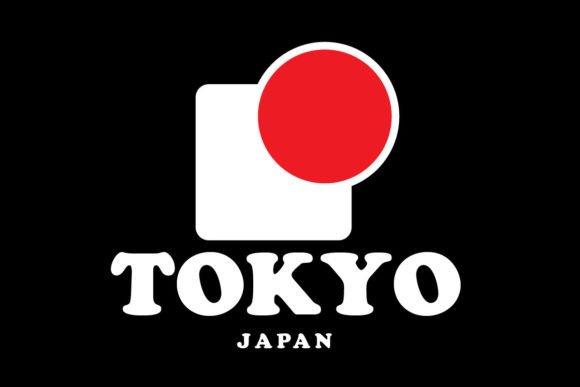
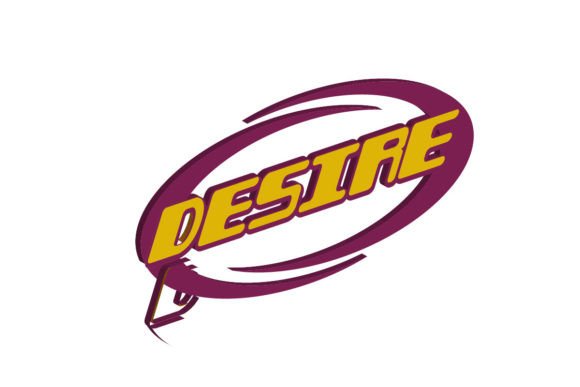
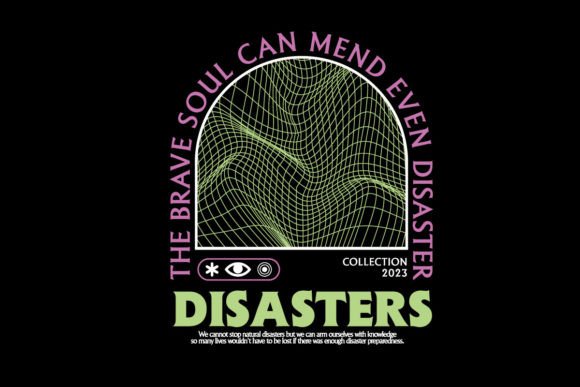
This isn't just another set of clipart. The Graphic Tee Design Streetwear Style is a cohesive collection of visual elements that capture the gritty, energetic, and often ironic personality of modern urban fashion. Think bold typographic statements, abstract geometric patterns, distressed textures that hint at a history of wear, and iconography that blends skate culture, high fashion, and digital art. The appeal lies in its authenticity; these designs feel like they were pulled from the pages of a street-style lookbook, not generated from a sterile template. They carry a certain weight and attitude, making them immediately recognizable to anyone immersed in the culture.
The Anatomy of the Aesthetic: More Than Just a Graphic
Understanding the components of this style is key to using it effectively. The strength of the Graphic Tee Design Streetwear Style lies in its versatility within a defined framework. The collection typically includes a mix of display font treatments—often a custom sans serif font with unique modifications or a gritty script font that mimics hand-painted signage. These are paired with illustrative elements that range from minimalist line art to complex, layered compositions.
The visual characteristics are deliberate. You'll notice a focus on high-contrast black and white, punctuated by strategic pops of color that demand attention. The use of texture is paramount; a slight grain or a subtle halftone dot pattern can transform a flat vector into something that feels tactile and lived-in. This is the essence of modern typography in streetwear: it's not just about the letterforms, but about how they interact with the surrounding space and texture to create a mood. The personality is confident, sometimes confrontational, and always focused on visual impact from a distance—crucial for a medium viewed across a street or in a crowded feed.
From Vector File to Cultural Statement: Practical Applications
The true value of these design assets is unlocked in their application. For the small business owner or entrepreneur launching a clothing line, this collection is a direct path to professional-grade merchandise. The included 100% vector source files in EPS format are the industry standard for a reason. They allow you to scale up & down infinitely without any loss of quality, ensuring your design looks crisp on a small chest print or a large back graphic. You can easily edit vector files in software like Adobe Illustrator or Affinity Designer to transform elements, add & remove components, or recolor the entire palette to align with your brand identity.
Consider a content creator or influencer developing merchandise. Instead of a generic logo, they can use a bold typographic statement from the Graphic Tee Design Streetwear Style to create a piece that resonates with their audience's aesthetic. A blogger could use a single, powerful graphic as the centerpiece for a limited-edition drop. The provided high-resolution JPGs are perfect for immediate use in social media graphics, mockups, or website banners, allowing you to market your product before the first shirt is even printed. The compatibility with t-shirt sublimation and other merchandise printing methods means the transition from digital asset to physical product is seamless.
Strategic Implementation for Brand Building
Beyond standalone graphics, these elements can inform a broader brand identity. A single, striking motif from the collection could evolve into a recurring logo mark or pattern for packaging design. The typographic style can inspire headings for a website or newsletter, creating a cohesive visual experience across all touchpoints. For a marketer, using this style in advertising can instantly signal a brand's alignment with contemporary, youth-oriented culture.
When integrating these assets, thoughtful font pairing is essential. A heavy, distressed display type from the collection might pair well with a clean, geometric sans serif font for body copy, ensuring readability while maintaining the streetwear edge. Alternatively, a more refined serif font could create an interesting high-low contrast, blending street sensibility with classic elegance—a popular trope in modern fashion branding.
Choosing and Evaluating Your Design Assets
Not all design bundles are created equal. When evaluating a resource like the Graphic Tee Design Streetwear Style, look beyond the preview images. Scrutinize the file formats. The inclusion of editable vector files (EPS, AI, SVG) is non-negotiable for serious work. Check the organization of the ZIP file; a well-structured source with separated elements, fonts, and color palettes saves hours of production time.
Test the designs in context. Place a graphic on a t-shirt mockup. View it at various sizes to check for readability and detail retention. Experiment with colorways—does the design hold up in a monotone palette? How does it look reversed out of a dark background? This practical testing is what separates a good-looking file from a truly useful design asset. While licensing is often straightforward for such collections, always confirm the terms allow for your intended commercial use, especially if you're producing large quantities of merchandise.
Ultimately, the Graphic Tee Design Streetwear Style is more than a download; it's a toolkit for visual communication. It provides the raw materials—the creative font